What to Expect at an Eye Consultation Process
Visiting an eye specialist can feel overwhelming if you are not sure what to expect. I want to share a clear and simple guide to help you understand the eye consultation process. This way, you can feel calm and prepared when you visit the clinic. Whether you need a routine check-up or have specific concerns, knowing the steps will make your visit smoother and more effective.
Understanding the Eye Consultation Process
The eye consultation process is designed to check your vision and eye health thoroughly. It usually starts with a few questions about your medical history and any vision problems you might have noticed. The doctor or optometrist will ask about your lifestyle, work habits, and any family history of eye diseases. This information helps them understand your risk factors and tailor the examination to your needs.
Next, the specialist will perform a series of tests. These tests measure how well you see at different distances, check your eye pressure, and examine the structures inside your eyes. Some tests are quick and simple, while others may take a few minutes longer. The goal is to detect any issues early and recommend the best treatment or corrective lenses if needed.

What is an ophthalmic consultation?
An ophthalmic consultation is a detailed eye examination conducted by a trained eye doctor. During this visit, the doctor evaluates your vision and checks for eye diseases such as glaucoma, cataracts, or macular degeneration. The consultation may include tests like visual acuity, refraction, slit-lamp examination, and retinal imaging.
The doctor will also discuss your symptoms and any changes in your vision. If you wear glasses or contact lenses, they will assess whether your prescription needs updating. This consultation is essential for maintaining good eye health and preventing vision loss.
Preparing for Your Eye Consultation
Before your appointment, it helps to prepare a few things. Bring your current glasses or contact lenses, if you use them. Write down any symptoms you have noticed, such as blurred vision, eye pain, or headaches. Also, list any medications you take, as some can affect your eyes.
If you have a family history of eye conditions, mention this to the doctor. It is also useful to note your daily activities, especially if you spend a lot of time on screens or outdoors. This information helps the doctor understand your eye strain or exposure to risk factors.
Arrive a little early to complete any necessary paperwork. This will give you time to relax before the consultation begins.
What Happens During the Eye Examination?
The eye examination includes several steps, each designed to check a different aspect of your eye health:
Visual Acuity Test - You read letters on a chart to measure how clearly you see at various distances.
Refraction Test - The doctor uses a device called a phoropter to find the right lens prescription for you.
Eye Pressure Measurement - This test checks for glaucoma by measuring the pressure inside your eyes.
Slit-Lamp Examination - A special microscope allows the doctor to look closely at the front parts of your eyes.
Retinal Examination - The doctor examines the back of your eyes, including the retina and optic nerve, often using eye drops to dilate your pupils.
Each test is painless and usually takes only a few minutes. The doctor will explain what they are doing and why, so you feel comfortable throughout the process.

After the Consultation: What to Expect
Once the tests are complete, the doctor will discuss the results with you. They will explain if you need glasses, contact lenses, or any treatment for eye conditions. If you require medication or surgery, the doctor will provide clear instructions and answer your questions.
Sometimes, the doctor may recommend follow-up visits to monitor your eye health. It is important to keep these appointments to catch any changes early. If your vision is stable, you might only need to return for regular check-ups every year or two.
If you experience any new symptoms after your consultation, such as sudden vision loss or eye pain, contact your eye care provider immediately.
Why Regular Eye Consultations Matter
Regular eye consultations are vital for maintaining good vision and overall health. Many eye diseases develop slowly and without obvious symptoms. Early detection through routine exams can prevent serious problems and preserve your sight.
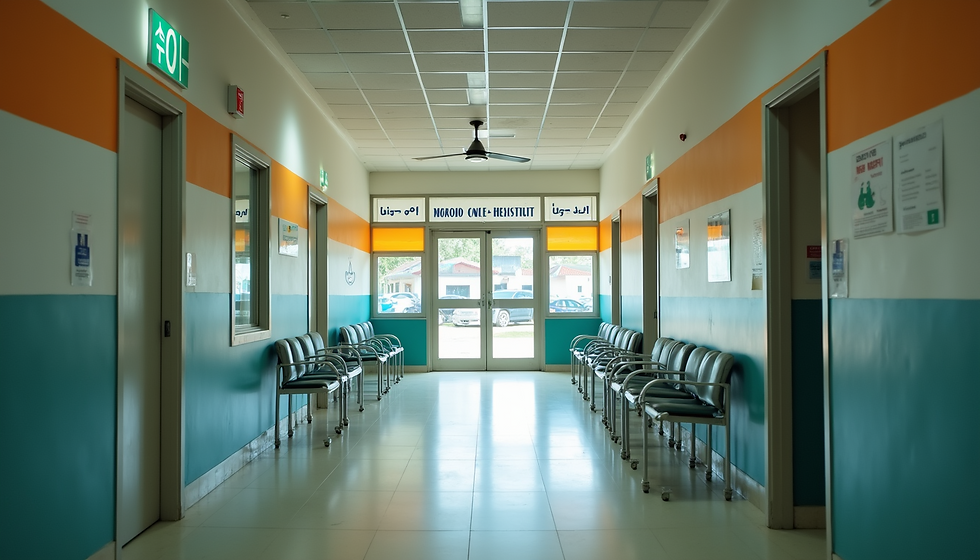
For residents of Morogoro, having access to quality eye care is essential. Facilities like Nanguji Memorial Hospital provide compassionate and patient-centered services to meet the community’s needs. Taking care of your eyes today helps you enjoy a clearer, healthier tomorrow.
If you want to learn more about what happens during an ophthalmology consultation, visiting a trusted hospital is a great first step.
I hope this guide helps you feel more confident about your upcoming eye consultation process. Remember, your eyes are precious, and regular check-ups are the best way to keep them healthy.


Comments